
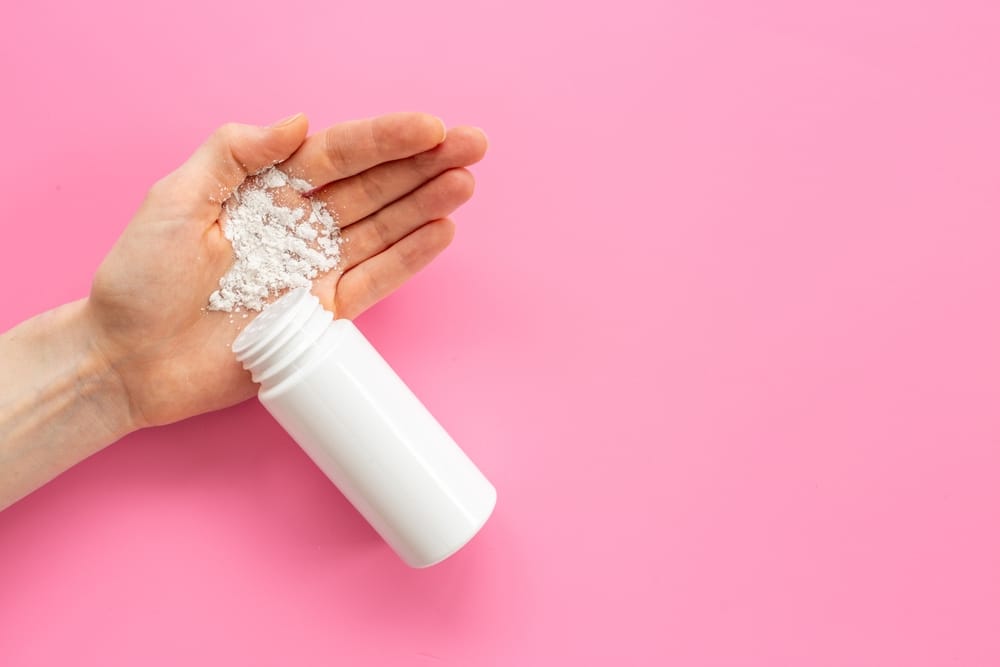
Johnson & Johnson currently faces approximately 73,570 lawsuits from consumers alleging that its talc-based baby powder caused them to develop cancer, marking a 17% increase from the 62,830 lawsuits reported last year. This substantial rise follows the pharmaceutical giant’s unsuccessful attempt to force a global settlement through bankruptcy court proceedings.
J&J’s Growing Legal Challenges Over Alleged Talcum Powder Cancer Link
The mounting legal pressure against Johnson & Johnson intensified after a bankruptcy judge in Houston rejected the company’s third attempt to use Chapter 11 proceedings to resolve talcum powder claims. This March 2025 ruling determined that J&J could not leverage a subsidiary’s bankruptcy filing to compel consumers to accept settlements for allegations that the company concealed health risks associated with its talc-based products.
This legal setback has prompted a wave of new talcum powder cancer lawsuits against J&J, with experts suggesting that the total number of claims could eventually exceed 93,000. The situation has been further complicated by recent courtroom defeats, including a California jury’s decision to award $966 million to the family of a woman who died from mesothelioma after lifelong use of the company’s baby powder.
J&J’s Position and Talcum Powder Lawsuit Defense Strategy
Despite the growing litigation, Johnson & Johnson maintains its position that talcum powder does not cause cancer and that its iconic baby powder never contained cancer-causing asbestos. The company has consistently defended its marketing practices throughout the product’s century-long history, yet recently withdrew the talc-based formulation from the market, replacing it with a cornstarch alternative.
Johnson & Johnson has already spent over $3 billion settling product liability claims alleging that its baby powder products caused harm to users, and has firmly stated it will not exceed the $10 billion settlement offer proposed during the latest bankruptcy proceedings. However, experts estimate that the company might ultimately need to pay closer to $11 billion to resolve all current and future talcum powder cancer lawsuits.
Upcoming Talcum Powder Trial Schedule
Following the bankruptcy court’s rejection of J&J’s repeated settlement strategy, the company now faces a wave of jury trials across multiple jurisdictions. The first talcum powder ovarian cancer trial since the bankruptcy ruling is scheduled to begin in California on November 3, 2025, with additional proceedings planned in Pennsylvania, Georgia, Illinois, and Florida state courts.
The federal court system is also preparing for significant action. A federal judge in New Jersey is organizing the first trial of thousands of consolidated claims that had previously been delayed by J&J’s repeated bankruptcy filings. These consolidated lawsuits represent a substantial portion of the talcum powder litigation and will likely set important precedents for future trials.
Understanding the Scope of Talcum Powder Health Concerns
Talcum powder lawsuits brought against J&J generally center around two primary health concerns: ovarian cancer and mesothelioma. Plaintiffs allege that talc particles can travel through the female reproductive system when used for feminine hygiene, potentially causing inflammation and eventually leading to ovarian cancer. Mesothelioma claims focus on allegations that talc products were contaminated with asbestos, a known carcinogen that causes this rare and aggressive form of cancer.
The scientific community remains divided on the alleged connection between talcum powder and cancer. Some studies have suggested as much as a 20-30% increased risk of ovarian cancer with long-term perineal talc use, while others have found no statistically significant association. The International Agency for Research on Cancer has classified genital use of talc-based body powder as “possibly carcinogenic to humans,” based on limited evidence.
Concerns about alleged asbestos contamination in talc-based products like J&J’s baby powder stem from the fact that talc and asbestos can naturally occur together in mineral deposits. Plaintiffs allege that J&J’s testing methods were inadequate to detect microscopic asbestos fibers that may have contaminated their talc supplies. A Reuters investigation in 2018 stated that Johnson & Johnson knew for decades that its baby powder contained asbestos and deliberately kept this information from the public.
The Road Ahead for Talcum Powder Cancer Claims
As J&J continues to defend against the mounting talcum powder lawsuits, several factors will likely influence the ultimate resolution of this litigation. The outcomes of upcoming trials will be closely watched by both sides, as they may establish patterns that could affect potential settlement negotiations.
The consolidated federal claims in New Jersey represent a particularly important battleground. U.S. District Court Judge Freda Wolfson, who oversees these lawsuits, has already made significant rulings on expert testimony that will shape how these trials proceed. The first federal bellwether trials could provide crucial insights into how juries respond to the scientific evidence presented by both sides.
Seeking Justice and Accountability
For many plaintiffs, these lawsuits represent more than financial compensation—they seek accountability from a company they believe prioritized profits over consumer safety. J&J, meanwhile, continues to defend its product safety record and testing protocols. The company points to numerous studies it claims support talc’s safety and argues that plaintiff verdicts have been based on flawed science and emotional appeals rather than sound evidence.
The talcum powder cancer lawsuits against J&J represent one of the largest mass torts in recent history, with significant implications for both the pharmaceutical industry and consumer protection. As this litigation continues to unfold, it highlights broader questions about corporate responsibility, product safety testing, and the challenges of establishing causation in complex scientific matters.
Talcum Powder Lawsuit Information
US judge rejects J&J's $10 billion baby powder settlement, Reuters
Johnson & Johnson knew for decades that asbestos lurked in its Baby Powder, Reuters
J&J Talc Cancer Suits Rise 17% After Failed Settlement Push, Bloomberg Law
J&J Ordered to Pay $966 Million in Talcum Powder Mesothelioma Lawsuit, Leading Justice
Johnson & Johnson to replace talc-based powder with cornstarch, BBC
Genital Powder Use and Risk of Ovarian Cancer: A Pooled Analysis of 8,525 Cases and 9,859 Controls, Cancer Research Prevention



